
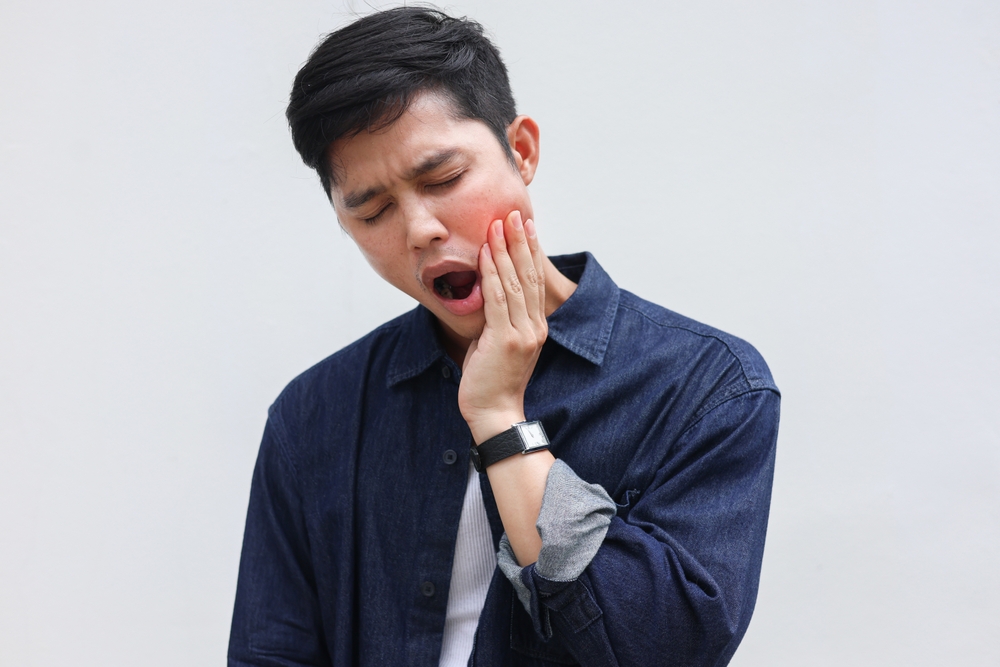
Jaw pain could have an impact on eating, talking, and sleeping as well. There is no doubt that a lot of individuals come across the terms TMJ and TMD and believe they refer to the same problem. It is worth noting that a reputable dentist in Calgary clarifies that both conditions are linked yet distinct from each other.
What is TMJ?
TMJ stands for the temporomandibular joint. It is the joint that connects your jaw to your skull, located just in front of your ears on both sides of your face. It works like a sliding hinge, allowing your mouth to open and close smoothly.
You use this joint every day when you:
- Talk
- Chew food
- Yawn
- Smile
In simple terms, TMJ is a body part, not a condition.
What is TMD?
TMD stands for temporomandibular disorder. It refers to problems that affect the jaw joint and the muscles around it. TMD can cause pain, stiffness, and trouble moving your jaw. It may affect one or both sides of your face and can range from mild discomfort to more serious issues.
What is the Difference Between TMJ and TMD?
Here is a simple comparison:
|
Term |
Meaning |
Type |
| TMJ | The jaw joint itself | Body part |
| TMD | A condition affecting the joint and muscles | Disorder |
Think of it this way:
- TMJ = the joint
- TMD = the problem affecting the joint
Understanding this difference can make it easier to describe your symptoms and get proper guidance.
What are Common TMJ Disorder Symptoms?
TMD can show up in different ways. Recognizing TMJ disorder symptoms early can help you avoid long-term discomfort.
Common signs include:
- Jaw pain or sensitivity.
- Clicking or popping noises while moving the mouth.
- Difficulty chewing.
- Jaw sticking.
- Headaches or ear aches.
- Pain on one side of the face.
Some individuals might experience problems in their neck and shoulder areas as well.
Why Does Jaw Pain Happen?
Jaw problems can develop for many reasons. If you are dealing with jaw pain, TMJ Calgary, the cause may be one or more of the following:
- Teeth grinding or clenching (often during sleep).
- Stress or tension in facial muscles.
- Injury to the jaw.
- Arthritis in the joint.
- Poor bite alignment.
Each case is different, so understanding the root cause is important for proper care.
When Should You See a Dentist?
Not all jaw discomfort needs urgent care, but certain signs should not be ignored.
You may need to visit a dental clinic if you notice:
- Ongoing jaw pain lasting more than a few days
- Trouble opening or closing your mouth
- Frequent headaches with jaw tension
- Clicking sounds with pain
- Difficulty eating or speaking
If you are searching for a dental clinic near you, choosing one that offers guidance on jaw health can help you feel more at ease.
How is TMD Diagnosed?
A dentist will usually begin with a simple evaluation. It may include:
- Checking how your jaw moves.
- Listening for sounds like clicking or popping.
- Gently pressing on the jaw to find areas of pain.
- Asking about your symptoms and habits.
In some cases, imaging tests like X-rays may be suggested to get a clearer view.
What are the Treatment Options for TMD?
Treatment depends on the cause and severity of the condition. Many cases improve with simple, non-invasive care.
Common approaches include:
- Exercises that help with jaw movements.
- Application of hot or cold packs to relieve pain.
- Management of stress.
- Use of a night guard to avoid teeth grinding.
- Modification of lifestyle habits, such as eating and posture.
In severe cases, the dentist can recommend other TMJ treatment in Calgary that suits you best.
Can TMD Go Away on Its Own?
Less serious instances of TMD might heal themselves through minimal interventions. Sometimes, however, neglecting TMD symptoms might actually cause the condition to become more severe.
Suggested self-help measures:
- Eat soft foods only.
- Do not overopen the jaw.
- Try relaxation exercises.
- Keep proper posture.
Consult a professional if symptoms persist.
How Can You Protect Your Jaw Health?
Taking care of your jaw is just as important as caring for your teeth.
Simple habits to follow:
- Keep your teeth slightly apart when resting.
- Avoid chewing gum often.
- Manage stress levels.
- Use proper support while sleeping.
- Visit your dentist regularly.
These small steps can help reduce strain on your jaw joint.
Your Comfort Matters at Centre & 12th Dental
Jaw pain can make everyday life uncomfortable, but you do not have to manage it alone. At Centre & 12th Dental, care is focused on helping you understand your symptoms and find relief in a calm, supportive setting.
If you suspect you may be suffering from TMJ Disorder or have any other questions regarding your jaw, it is a good time to take a proactive approach and see what can be done. Make your appointment today for an evaluation to take steps toward better health. Contact us today and begin the journey to improved well-being!