


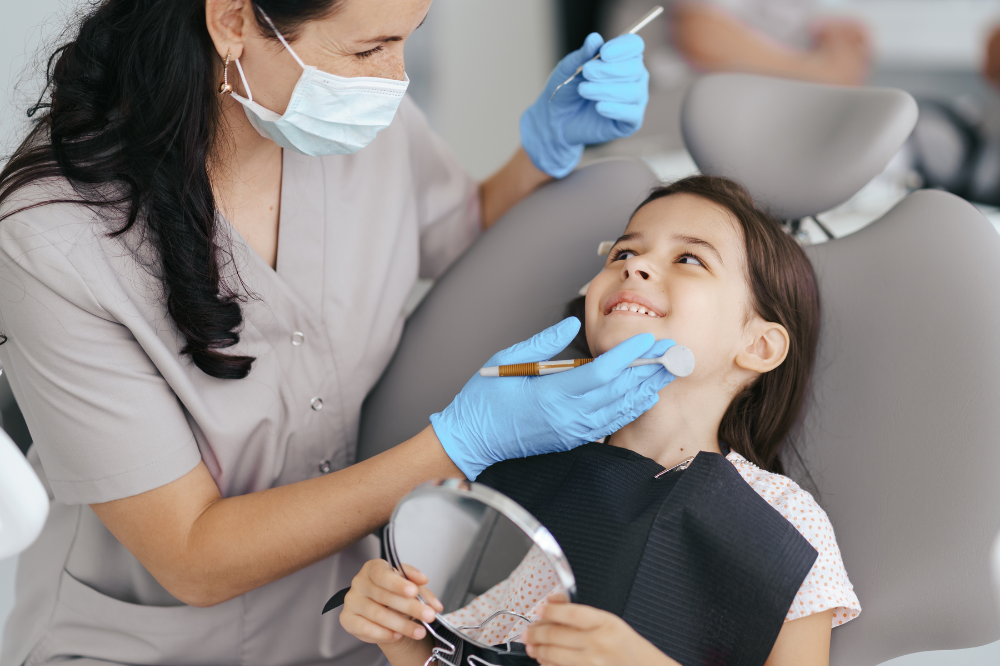
Pediatric dentistry that’s dental care specially designed for kids has entered a new era. Today’s dental clinics use modern technology, gentle treatment methods and child-friendly approaches to make dental visits easier for children. When parents look for a dentist near Downtown, they now expect care that is safe, comfortable and focused on prevention. This approach helps children feel relaxed, builds trust and supports healthy smiles as they grow.
Why Pediatric Dentistry is Different Now
The new era in pediatric dentistry isn’t just about fixing cavities anymore. It’s about creating a positive experience that helps children develop healthy dental habits for life. Dentists who specialize in treating kids now understand that how a child feels during their visit matters just as much as the treatment itself.
Think about it—when kids have a good experience at the dentist, they’re more likely to take care of their teeth. They won’t be scared to come back. That’s what makes this new approach so important.
Modern Technology Makes Everything Easier
One of the biggest changes in pediatric dentistry near Downtown is the technology being used. Digital X-rays now use 80-90% less radiation than old X-rays, which is safer for growing bodies. These images appear on a screen right away, so the dentist can show parents and kids what’s happening inside their mouths.
Laser dentistry is another game-changer. Instead of using drills that make scary noises, some dentists near you might use lasers for certain procedures. They’re quieter, cause less discomfort, and often heal faster. Not every procedure needs a laser, but they’re becoming more common in modern dental clinics.
Intraoral cameras are tiny cameras that go inside the mouth and take detailed pictures. Kids actually think these are cool because they can see their own teeth on a big screen. It helps them understand why brushing matters properly.
What Makes a Child-Friendly Dental Experience?
Today’s pediatric dentistry near you focuses on making the whole experience comfortable. Dental clinics designed for children look completely different from adult clinics. You might find bright colours, fun themes, and even toys or video games in the waiting area.
But it goes deeper than decoration. Pediatric dentists use special communication techniques called “tell-show-do.” They explain what they’re going to do in simple words, show the child the tools they’ll use, and then do the procedure. This reduces anxiety significantly.
Many clinics now offer sedation dentistry options for kids who need extra help staying calm during longer procedures. This might include nitrous oxide (laughing gas) or oral sedation, depending on what the child needs.
Preventive Care Takes Center Stage
The new era focuses on prevention rather than just treatment. Preventive dentistry means stopping problems before they start.
Preventive Treatment | What It Does | When It’s Used |
Fluoride varnish | Strengthens tooth enamel | Every 3-6 months |
Dental sealants | Protects the chewing surfaces from cavities | Usually on permanent molars |
Regular cleanings | Removes plaque and tartar buildup | Every 6 months |
Oral hygiene education | Teaches proper brushing and flossing | Every visit |
Dentists now spend more time teaching kids the right way to brush and floss. They explain why sugary drinks and snacks can harm teeth. Some even use special tablets that show plaque on teeth, making it visual and memorable for kids.
Early Intervention and Orthodontics
Pediatric dentists today start looking at jaw development and tooth alignment early—sometimes as young as age 6 or 7. This is called interceptive orthodontics. By catching problems early, they can guide tooth growth and jaw development, which might reduce the need for extensive braces later.
Space maintainers, palatal expanders, and early orthodontic appliances are tools that weren’t used as commonly before. The goal? Make sure permanent teeth have enough room to come in properly.
Minimal Intervention Dentistry
There’s also a philosophy shift happening. Instead of drilling and filling every small cavity, dentists now practice minimal intervention dentistry (MID). This means treating tooth decay in the least invasive way possible.
For very early cavities, fluoride treatments or remineralization techniques might reverse the decay without any drilling. Silver diamine fluoride (SDF) is a liquid that can stop cavities from getting worse in baby teeth without needles or drilling. These options weren’t available or commonly used before.
Behaviour Management and Psychological Approaches
Understanding child psychology is now a crucial part of pediatric dentistry. Dentists receive special training in managing different behaviours and anxiety levels. They know how to talk to a nervous 4-year-old differently than they’d talk to a confident 10-year-old.
Some dental clinic in Calgary even have child psychologists on staff or use techniques borrowed from behavioural therapy. Creating trust is the foundation of good pediatric dental care.
Finding the Right Pediatric Dentist Near You
When looking for pediatric dentistry near your home, consider what makes this new era special. Does the dental clinic use modern technology? Do they focus on making kids comfortable? Is prevention a priority?
A good pediatric dentist should welcome questions from both parents and children. They should explain procedures clearly and never make a child feel bad about cavities or dental problems. The clinic staff should be friendly and patient-focused.
Helping Children Smile Brighter And Healthier!
At Centre and 12th Dental Clinic, we focus on helping children smile brighter and healthier. Our dental clinic offers pediatric dentistry in a calm and friendly space. We care for baby teeth, growing smiles and oral health needs. Our dentist explains each step in simple words, so kids feel safe and parents feel informed. Book your child’s visit today.
Getting here is simple — just follow us on Google Maps for the best route. 📍
Frequently Asked Questions
At what age should my child first visit a pediatric dentist?
Most pediatric dentists recommend bringing your child in by their first birthday or within six months after their first tooth appears. Early visits help establish good habits and let the dentist check for any developmental concerns.
How can I help my child feel less nervous about dental visits?
Start by staying positive and avoiding negative words like “pain” or “hurt.” Read books about going to the dentist, let them practice opening wide at home, and never use the dentist as a threat. Choosing a pediatric dentist who specializes in working with anxious children also helps tremendously.
What’s the difference between a regular dentist and a pediatric dentist?
Pediatric dentists complete 2-3 additional years of training after dental school, focusing specifically on children’s dental development, behaviour management and treating dental problems unique to kids. They’re specially trained to make children feel comfortable and safe.






 © 2026 – Centre & 12th Dental | All rights reserved