
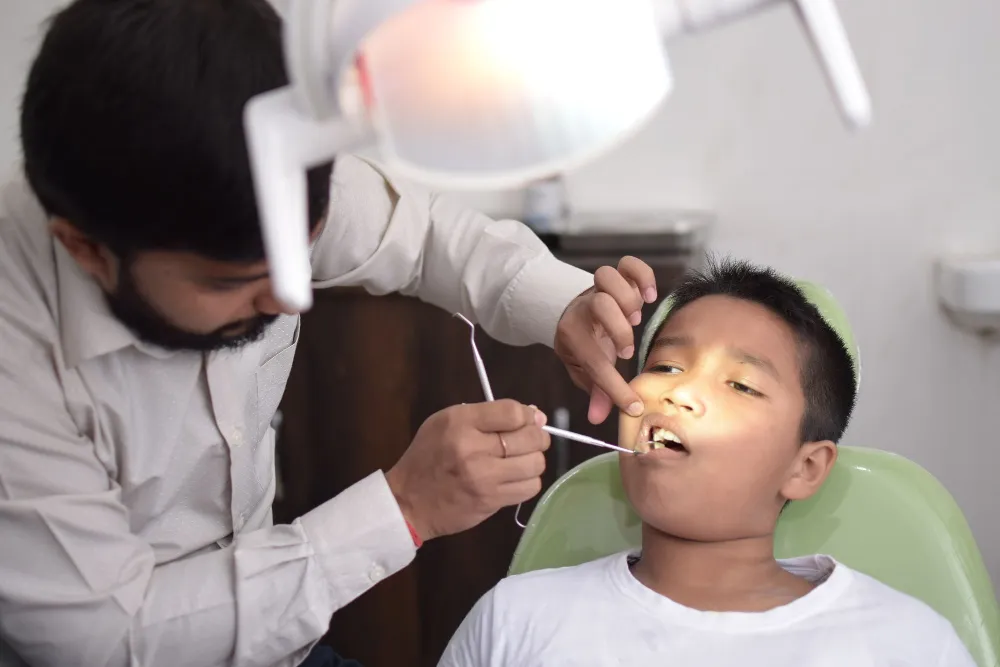
Watching your child grow up brings so many milestone moments, from their first loose tooth to their developing smile. As primary teeth fall out and adult teeth begin coming through, you might notice subtle shifts in how your child bites down or how their front teeth align. Prioritizing your child’s dental wellness during their early growth stages helps catch structural alignment issues long before they become more complex concerns. With a visit to an experienced dentist in Calgary, you gain clear insight into how your child’s jaw is developing. Early evaluations allow us to monitor jaw growth, ensure permanent teeth have enough room to erupt properly, and guide bad habits into healthier patterns.
What Reasons Could Children Have For Orthodontic Treatment?
It’s not just adults; children can have orthodontic issues as well. These are some reasons why children may undergo orthodontic treatment:
- Severe crowding: Insufficient space in the jaw leads to overlapping or crooked permanent teeth.
- Bite misalignment: Overbites, underbites, or crossbites cause uneven wear on tooth enamel and strain jaw joints.
- Premature loss: Losing primary teeth too early creates unwanted space shifts that block incoming adult teeth.
- Persistent habits: Prolonged thumb sucking or finger pressure alters the natural shape of the palate and jawline.
- Speech difficulties: Misaligned teeth or jaw positioning interfere with normal tongue placement and clear pronunciation.
- Chewing discomfort: Misaligned bite surfaces make chewing certain foods difficult or uncomfortable for young children.
Spotting these common indicators during childhood allows us to step in at the ideal time to guide proper facial development.
Orthodontic Treatment For Children
Addressing issues early can prevent them from becoming complex problems later. Here are some treatments available for children:
- Palatal expanders: Gentle custom devices gradually widen the upper jaw to create room for crowded teeth.
- Space maintainers: Small metal appliances hold open essential gaps left by early-lost baby teeth.
- Phase-one braces: Targeted partial braces guide specific problem teeth into healthier alignment while jaw growth continues.
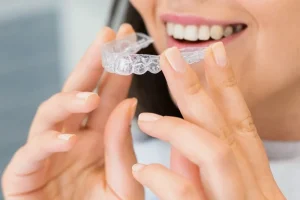
- Clear aligners: Removable custom trays offer a smooth, discreet way to straighten mild alignment issues in growing kids.
- Myofunctional appliances: Specialized removable devices help retrain tongue posture and correct mouth-breathing habits.
Providing early intervention options allows our team to customize a gentle approach suited to your child’s specific developmental needs.
Is Orthodontic Treatment Recommended for all children?
Not every child who visits our clinic requires immediate alignment appliances or traditional braces. Many kids naturally develop healthy, well-aligned arches without needing early structural corrections.
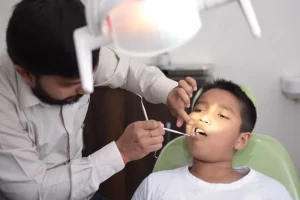
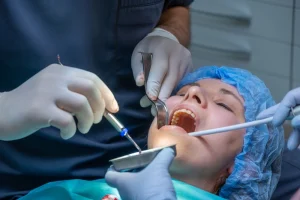
Before making any recommendations, a dentist near you performs a comprehensive oral exam, takes digital images, and evaluates jaw development. This careful evaluation ensures that intervention is suggested only when it benefits your child’s long-term oral structure and health.
So What Age Should I Have My Child Undergo Orthodontic Treatment?
While every child’s mouth develops at its own pace, the recommended milestone for an initial evaluation is generally around seven years old. At this stage, a mix of baby teeth and adult molars gives us a clear window into how the upper and lower jaws fit together.
Early evaluations do not mean immediate treatment, but addressing jaw alignment during active growth years often simplifies future care and leads to better outcomes.
Book a Dental Visit for Your Child
At Centre & 12th Dental, we want your child to feel safe and comfortable during every dental visit. Our team will check your child’s teeth gently and explain any care they may need. Call us today to book an appointment and help your child keep a healthy smile.
FAQs
What happens during a child’s first orthodontic consultation?
During an initial visit, our dental team performs a thorough, gentle visual exam of your child’s mouth, jaw, and bite structure. We take digital photos or low-radiation X-rays to assess incoming permanent teeth below the gumline and discuss any developmental observations with you in detail.
How long does early interceptive treatment usually take for kids?
Phase-one care typically lasts anywhere from 6 to 12 months, depending on your child’s specific needs and growth rate. This initial phase focuses on correcting jaw width or severe bite issues, after which we pause to let remaining permanent teeth emerge naturally.
Will my child still need braces later in their teenage years if they get early treatment?
Many children who undergo phase-one care still benefit from a short secondary treatment phase once all permanent teeth have grown in. However, early care makes that second phase significantly shorter, simpler, and far less invasive than it would have been otherwise.
Are children’s orthodontic appliances uncomfortable for young patients to wear?
Most children adapt quickly within just a few days of receiving their appliance. While mild pressure or slight tenderness can occur as teeth begin to shift, modern appliances are designed with rounded edges and soft contours to keep daily speaking and eating pleasant. Plus, choosing a comprehensive provider who offers orthodontic treatment in Calgary ensures your child receives gentle, personalized adjustments for maximum comfort.