
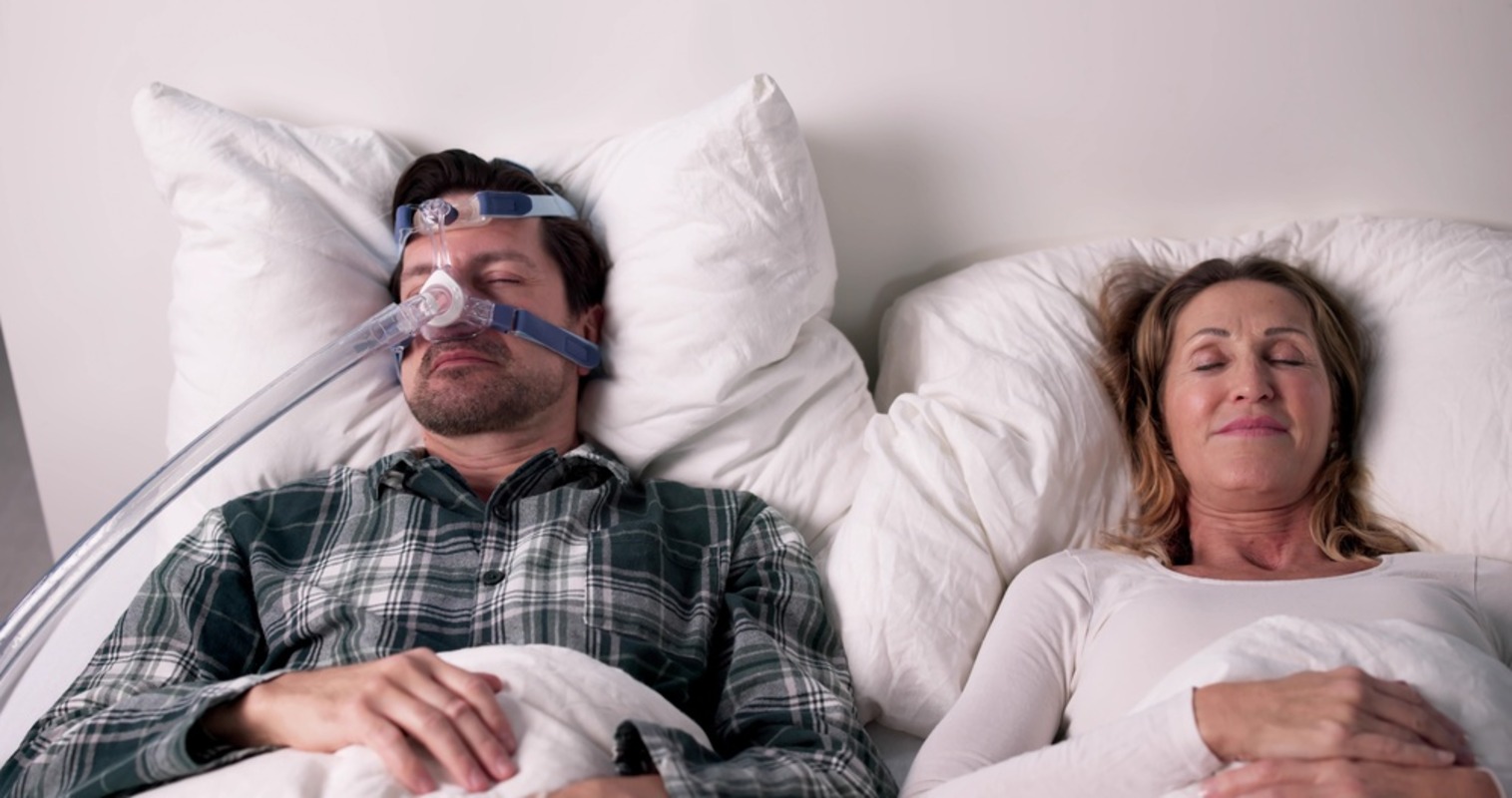
Imagine sleeping for eight hours but waking up feeling like you did not sleep at all. Your head hurts, your mouth is dry, and you feel tired all day. This happens to many people because of a medical condition called sleep apnea.
When people think about sleep apnea, they usually think about visiting a medical doctor. But did you know that a dentist in Calgary can also help treat this issue?
What is Sleep Apnea?
Sleep apnea is a disorder in which a person stops breathing for short periods while sleeping. The most common type is called Obstructive Sleep Apnea (OSA).
How Does Obstructive Sleep Apnea Happen?
When you fall asleep, the muscles in your throat relax. In a person with OSA, these muscles relax too much. When that happens, the soft tissue at the back of the throat collapses. This blocks the airway, the tube that lets air into your lungs.
When the airway is blocked, your body stops getting oxygen. Your brain realizes there is a problem and wakes you up just enough to take a breath. This cycle can happen many times in one single night. Most of the time, you will not even remember waking up.
The Common Symptoms of Sleep Apnea
Many people do not know they have sleep apnea. Often, a family member is the first to notice the signs.
- Loud Snoring: This is the most common sign. It happens because air is trying to squeeze through a blocked airway.
- Gasping for Air: A person might make choking sounds during sleep.
- Daytime Fatigue: Feeling very sleepy during the day, even after a full night of sleep.
- Morning Headaches: A lack of oxygen at night can cause your head to hurt when you wake up.
How a Dentist in Calgary Can Help
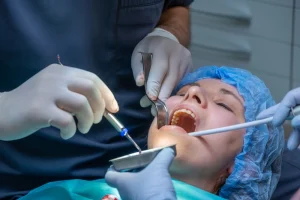
A dentist does more than just clean teeth and fix cavities. They are experts in the structure of your mouth, teeth, and jaw. Because of this training, a dentist can play a major role in managing OSA.
The Sleep Apnea Diagnosis
A dentist does not typically make the formal diagnosis of sleep apnea. A physician or sleep specialist usually confirms the diagnosis through a sleep study. Usually, a patient undergoes a sleep test at home or in a specialized clinic. The test tracks your breathing and oxygen levels while you sleep. Once a doctor diagnoses you with OSA, a dentist can step in to provide treatment.
Oral Appliance Therapy
For mild to moderate OSA, a dentist can create a custom oral appliance. This looks like a sports mouthguard or an orthodontic retainer. You only wear it at night while you sleep.
This device prevents the throat tissues from collapsing, thereby stopping snoring and allowing continuous breathing.
Why Patients Choose Oral Appliances Over CPAP
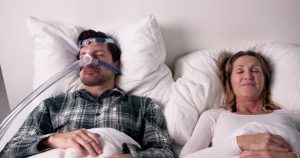
The standard treatment for severe sleep apnea is a CPAP (Continuous Positive Airway Pressure) machine. This machine blows air into a mask that you wear over your nose or mouth. While CPAP works very well, many patients find it uncomfortable. The machine can be loud, and the mask can feel restrictive.
An oral appliance made by a dentist near you is small, quiet, and easy to travel with. Many patients prefer it because it feels more natural to wear.
Wake Refreshed With Sleep Apnea Treatment
Sleep apnea can affect your sleep, energy, and overall health. At Centre & 12th Dental, we provide sleep apnea treatment to help improve airflow during sleep and reduce common symptoms such as snoring and daytime tiredness. Our team carefully evaluates your oral health and recommends suitable treatment options, including custom oral appliances designed for comfort and effectiveness. Better sleep can support better daily health and well-being.
Contact us today to learn more about sleep apnea treatment.
FAQs
Can a dentist diagnose sleep apnea?
A dentist does not typically make the formal diagnosis of sleep apnea. A physician or sleep specialist usually confirms the diagnosis through a sleep study. However, a dentist can identify signs of sleep apnea and refer patients for evaluation.
Is oral appliance therapy covered by insurance?
Coverage depends on the insurance plan. Some dental and medical insurance plans cover oral appliances for sleep apnea. It is best to check directly with the insurance provider.
How long does it take to get used to a sleep apnea oral appliance?
Most patients adjust within two to four weeks. Some minor jaw soreness may occur at first, but it usually goes away as the mouth gets used to the device.
Is oral appliance therapy better than a CPAP machine?
Both treatments are effective. CPAP is often preferred for severe sleep apnea. Oral appliances are a great alternative for mild to moderate cases, especially for patients who find the CPAP mask uncomfortable.
How often should a dentist check the oral appliance?
It is recommended to visit the dental clinic every six months to one year for follow-up checks. The dentist will examine the fit, check for wear, and make any needed adjustments.