
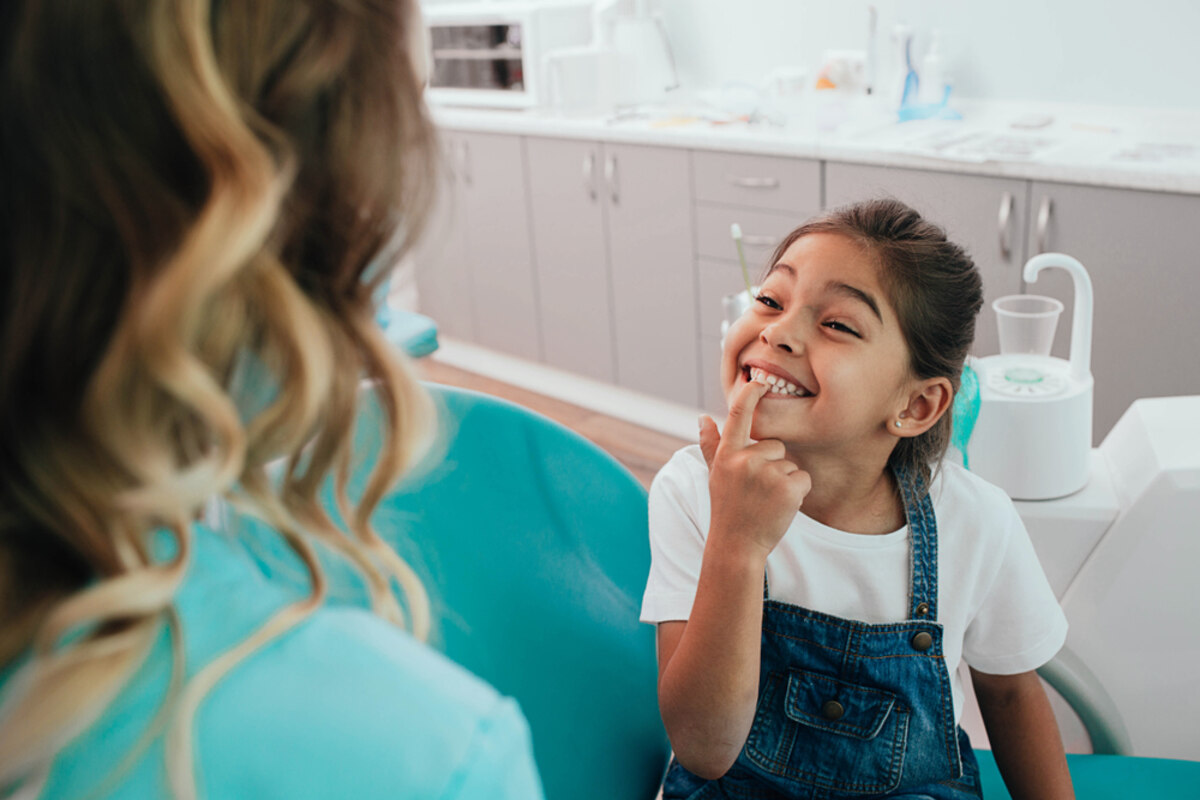
Taking care of your child’s teeth is a big part of keeping them healthy. Many parents ask when their child should go to the dentist for the first time. The answer is much earlier than most people think. A dentist in Calgary can guide parents on the right time for the first visit and help make sure a child’s teeth and gums grow in a healthy way.
The First Dental Visit: Age One is the Rule
According to dental professionals, a child should see a dentist when their first primary tooth appears, or by their first birthday. Whichever happens first is the right time to schedule the appointment.
Primary teeth are the medical name for baby teeth. Even though these teeth will fall out later in life, they are very important right now. They help your child chew food properly and speak clearly. They also hold space in the jaw for permanent adult teeth to grow in the right place later.
Why Do Babies Need to See a Dentist So Early?
It might seem strange to take a baby to a dental clinic when they only have one or two teeth. However, this early visit is mostly about prevention. Dentists want to stop cavities before they even start.
Here is what happens during that first appointment:
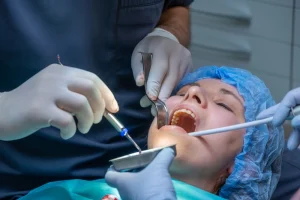
- Oral Examination: The dentist will gently look inside your child’s mouth. They check the gums, jaw, and any teeth that have come through.
- Checking for Decay: Babies can get cavities just like adults. This is often called early childhood caries.
- Cleaning: The dentist will clean the teeth with a small, soft brush.
- Education: You will learn how to brush your baby’s teeth correctly and how diet affects oral health.
Finding a trusted dentist near you early helps set up a lifetime of good oral health. It also helps your child get used to the sights and sounds of a dental clinic so they do not feel scared in the future.
What Happens if You Wait Too Long?
Waiting until a child is three or four years old to visit a dentist can cause problems. By that age, many children already have dental plaque or early tooth decay. If a child only goes to the dentist when they have a toothache, they might associate the dentist with pain. Starting visits at age one keeps the appointments quick, easy, and pain-free.
How to Prepare Your Child for the Dental Clinic
To help a child feel comfortable before a dental clinic visit, keep the explanation simple and calm. Talk positively about the dentist and say the dentist will gently check and count the teeth to keep them healthy and clean. Do not use words that may sound scary such as “shot” or “drill,” as they can create fear. It also helps to choose an experienced dentist who is trained to care for young children with patience, making the visit easier and more relaxed for the child.
Gentle Dental Care for Growing Smiles!
At Centre & 12th Dental, we provide gentle dental care for children and families. We focus on clean teeth, cavity prevention, and healthy gums using simple dental checks. We use safe methods and provide daily care tips to help parents improve oral hygiene at home.
Book an appointment today at our clinic for regular checkups and early dental care.
FAQ
How often should a child visit the dental clinic?
After the first visit, children should see a professional every six months. Regular checkups every half year help catch small problems before they turn into cavities.
Can babies get cavities from drinking milk?
Yes. This is called baby bottle tooth decay. It happens when milk, formula, or juice stays on a child’s teeth for a long time, like during naps or overnight. Never put a baby to bed with a bottle containing anything other than water.
How should a parent clean a baby’s mouth before teeth come in?
Even before teeth appear, bacteria can live in the mouth. Wipe your baby’s gums gently with a clean, damp cloth or gauze pad after each feeding.
When should children start using fluoride toothpaste?
You should use a tiny smear of fluoride toothpaste (the size of a grain of rice) as soon as the first primary tooth appears. When a child turns three years old, you can use a pea-sized amount.
What are primary teeth and why are they important?
Primary teeth are the official medical term for baby teeth. They are important because they allow children to chew food, speak clearly and guide permanent adult teeth into the correct positions.